



Getting orthodontic treatment is a significant step toward achieving a beautiful, healthy smile. Patients in Century City often look forward to the day their brackets and wires finally come off. However, a common concern often overshadows this excitement. Many people worry about finding a cavity after braces are removed.
Caring for your teeth while wearing braces is a rewarding process. Taking a little extra time to nurture your oral hygiene keeps your enamel strong, bright, and vibrant. While some people wonder if it’s common to develop cavities after braces, the truth is that with a good oral hygiene routine and the support of your orthodontic team, the risk is minimal. The chances of a cavity after braces are very low. At Alpan Orthodontics, our goal is to empower you with the tools and knowledge to maintain excellent dental health every step of the way.
Understanding how to protect your teeth while wearing braces is essential for ensuring your final result is both straight and completely healthy.
Key Takeaways
- Maintaining strong oral hygiene during treatment guarantees a bright, beautiful result.
- Daily brushing and flossing are powerful acts of self-care that protect your enamel.
- Nourishing your body with tooth-friendly foods supports both your smile and your overall health.
- Your orthodontist and general dentist form a collaborative team to keep your teeth in peak condition.
- Practicing great habits now creates a lifelong foundation for a stunning, healthy smile.
Why Are Cavities a Concern During Orthodontic Treatment?
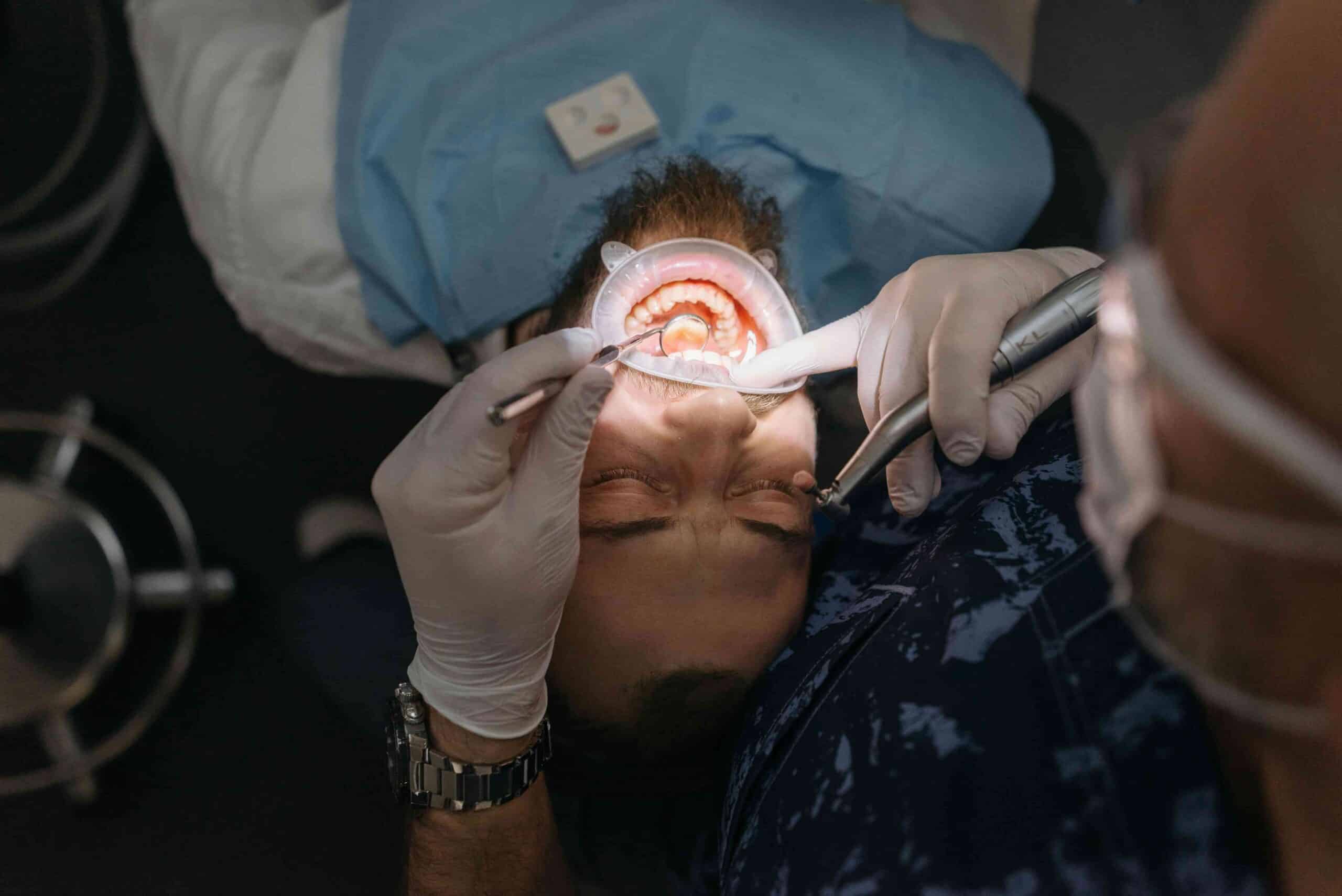
Orthodontic hardware creates numerous tiny hiding spots for food and bacteria. Brackets and wires form physical barriers that block your toothbrush bristles and dental floss from easily reaching the surface of your enamel.
When you consume meals or snacks, carbohydrates and sugars remain trapped against the teeth. Bacteria in your mouth feed on these sugars, producing harmful acids as a byproduct.
These acids slowly eat away at the protective enamel layer. Because cleaning around braces requires specific tools and a bit of patience, plaque often accumulates faster than usual. This makes the risk of tooth decay after braces much higher for patients who neglect their daily oral care routine.
So in short, the only time this becomes a concern is if a patient is neglecting their normal oral care; brushing, flossing, etc. For the average person, this is not a concern at all!
Identifying Early Signs of Cavities While Wearing Braces
Catching dental issues early can save you from experiencing pain or needing extensive dental work later. Because brackets obscure parts of your teeth, you must pay close attention to the visible areas.
Look out for chalky white patches on your enamel. These areas indicate decalcification, meaning the tooth is losing essential minerals. Decalcification is the first stage of a cavity. You might also notice dark brown or black discoloration near the gumline or around the edges of the brackets.
Physical sensations can also serve as warning signs. Increased sensitivity to hot, cold, or sweet foods often points to compromised enamel. If you feel a lingering ache or sharp pain in a specific tooth, you should schedule an appointment with your dentist immediately. Regular dental check-ups during your orthodontic treatment allow professionals to spot these signs long before they turn into severe cavities after braces.
Preventing Cavities: Your Best Defense Against Tooth Decay After Braces
Taking proactive steps daily is the only way to keep your teeth healthy throughout your treatment.
A normal oral hygiene routine will ensure you don’t face unexpected dental procedures once your teeth are perfectly straight.
Brushing and flossing techniques
Standard brushing is not enough when you have brackets attached to your teeth. Angle your toothbrush at a 45-degree angle toward the gums to sweep away plaque from the gumline.
Next, angle the brush downward to clean the tops of the brackets and upward to clean the bottoms. Use a soft-bristled brush or an interdental brush to reach between the wires.
Flossing is equally important, though it requires a different approach. Use a floss threader or orthodontic floss to navigate under the archwire. Gently guide the floss between your teeth, forming a “C” shape against the side of each tooth to remove trapped debris.
Water flossers also provide a helpful supplemental clean, flushing out loose food particles from stubborn crevices.
Dietary recommendations
What you eat directly impacts your likelihood of developing braces cavities. Sticky, chewy candies cling to brackets and are incredibly difficult to wash away. Hard foods like nuts or ice can break your wires, creating sharp edges and new spaces for bacteria to hide.
Limit your intake of sugary sodas, sports drinks, and acidic fruit juices. Instead, drink plenty of water to naturally rinse your mouth throughout the day. Focus on a balanced diet rich in vegetables, lean proteins, and dairy products, which provide calcium to help strengthen your enamel.
Fluoride and mouthwash
Fluoride is a naturally occurring mineral that rebuilds weakened enamel. Use a fluoride toothpaste every time you brush. Your orthodontist may also recommend a daily fluoride mouthrinse.
Swishing with an antimicrobial mouthwash before bed helps kill residual bacteria and provides a protective coating over your teeth while you sleep.
Regular dental check-ups
Seeing your orthodontist for adjustments is not a substitute for visiting your general dentist. You should continue to schedule professional cleanings every six months.
Dental hygienists use specialized tools to remove hardened tartar that your toothbrush cannot eliminate.
What Happens if You Get a Cavity While Wearing Braces?
Developing a cavity during treatment is stressful and uncommon, but it is highly treatable. You do not always have to halt your orthodontic progress to fix a decaying tooth.
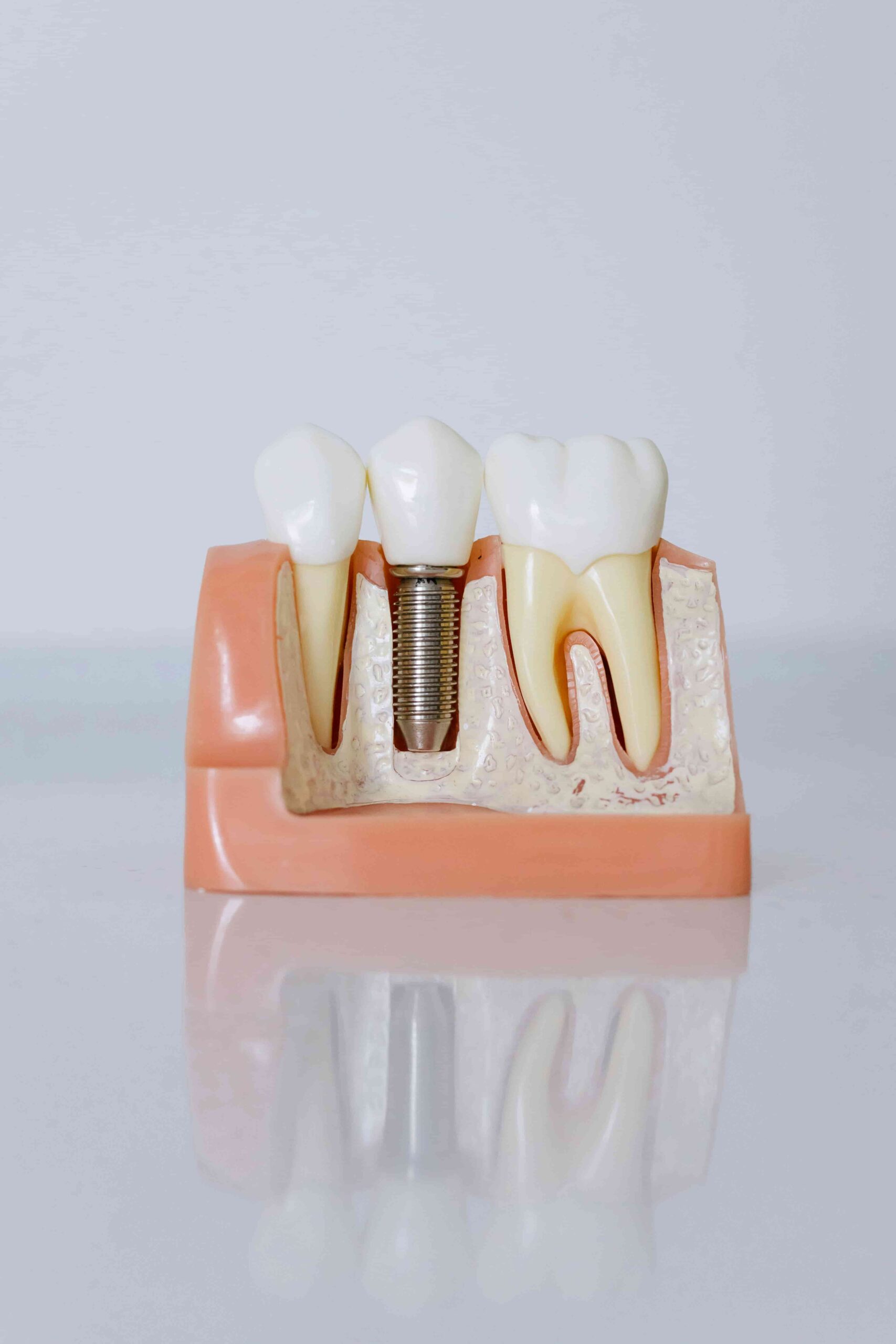
If the cavity is in an accessible area, your dentist can simply drill and fill the tooth with the braces still attached. In more complex cases, your orthodontist might temporarily remove a bracket or wire to give the dentist clear access. Once the filling is complete, the orthodontist will replace the hardware so your treatment can resume smoothly.
Alpan Orthodontics in Century City emphasizes a collaborative approach to patient health. The team works closely with local dentists to address cavities promptly. By prioritizing whole-health comprehensive orthodontics, they ensure that resolving a cavity does not severely delay your timeline for a straight smile.
Post-Braces Care: Maintaining a Cavity-Free Smile
Once your brackets are gone, you will finally have unobstructed access to your teeth. Take advantage of this by scheduling a professional dental cleaning. The hygienist will polish away any leftover adhesive and comprehensively check for decalcification spots.
You must maintain your rigorous brushing and flossing habits even without the hardware. Your teeth may feel slightly sensitive for a few weeks after the brackets are removed. Continue using fluoride products to help remineralize any vulnerable areas of enamel.
Frequently Asked Questions
Q: Is it common to get a cavity after braces?
A: It is not common, primarily because most patients listen to the instructions provided by their orthodontist and continue with a normal oral care routine. A cavity after braces only happens when people don’t take care of their teeth.
Q: How do I know if I have a cavity with braces on?
A: You might notice chalky white spots or brown discoloration or experience sudden sensitivity to hot, cold, or sugary foods. A localized toothache is also a strong indicator that you need a dental exam.
Q: Can cavities be treated while I still have braces?
A: Yes. General dentists can often fill cavities around the brackets. If the cavity is located directly underneath a bracket, the orthodontist will temporarily remove it so the dentist can treat the tooth.
Q: What are the best ways to prevent cavities after braces?
A: Brush twice a day with fluoride toothpaste, floss daily using a threader, avoid highly acidic and sugary foods, and maintain routine six-month cleanings with your general dentist.
Q: What happens if I don’t treat a cavity after braces?
A: Ignoring a cavity allows the decay to spread deeper into the tooth structure. This can eventually lead to severe pain, dental infections, and the need for invasive treatments like root canals or tooth extractions.
Protecting Your Century City Smile for a Lifetime
Investing time and resources into orthodontic treatment is a commitment to your long-term health. Crooked teeth can affect your bite, your airway, and your confidence. By maintaining diligent oral care habits, you ensure that your investment results in a stunning, decay-free smile.
If you are experiencing tooth pain during your treatment or if you are ready to begin your journey toward better oral health, professional guidance is essential. The team at Alpan Orthodontics understands that your bite, jaw, and airway are all connected. With advanced tools like 3D smile simulations and a commitment to faster, more comfortable results, Dr. Alpan and his team prioritize your total well-being. Contact Alpan Orthodontics in Century City today to secure a beautiful, healthy smile that lasts.