

A perfect smile is something many people dream of, but the cost of orthodontic treatment can often be a significant barrier. Invisalign, a popular alternative to traditional braces, offers a discreet and comfortable way to straighten teeth. For California residents enrolled in Medi-Cal, the state’s Medicaid program, a common question arises: Does Medi-Cal cover Invisalign?
Understanding the specifics of dental coverage can be complex. This guide will provide a clear overview of Medi-Cal’s dental benefits, explain whether Invisalign is covered, and outline the factors that influence coverage decisions.
We will also explore alternative treatments and provide steps for verifying your own benefits, helping you make an informed decision about your orthodontic journey.
Key Takeaways
- Medi-Cal’s dental program (Denti-Cal) primarily covers “medically necessary” orthodontic services, which means treatment is needed to correct a handicapping malocclusion (a severe misalignment of teeth).
- Invisalign is rarely considered medically necessary by Medi-Cal, as traditional braces are the standard, cost-effective treatment for severe orthodontic issues.
- Coverage for orthodontics is typically limited to members under 21 years of age, and even then, strict eligibility criteria must be met.
- You must get prior authorization from Denti-Cal before starting any orthodontic treatment to ensure it will be covered.
- Alternative treatments like traditional metal braces are more likely to be approved if your condition meets the medical necessity requirements.

An Overview of Medi-Cal Dental Coverage
Medi-Cal’s dental program, known as Denti-Cal, provides a range of dental services to eligible members. While the program covers essential preventive and restorative care like exams, cleanings, and fillings, coverage for more specialized treatments like orthodontics is more limited.
For adults, Denti-Cal focuses on services that address pain, infection, and basic dental function. For children and young adults under 21, the program offers a more comprehensive set of benefits, including diagnostic and preventive services, which can include medically necessary orthodontics.
The key phrase here is “medically necessary.” For Denti-Cal to cover any orthodontic treatment, a dentist or orthodontist must prove that the procedure is not for cosmetic purposes. Instead, it must be essential for correcting a severe dental problem that impairs the patient’s ability to chew, speak, or maintain oral health.
Does Medi-Cal Cover Invisalign?
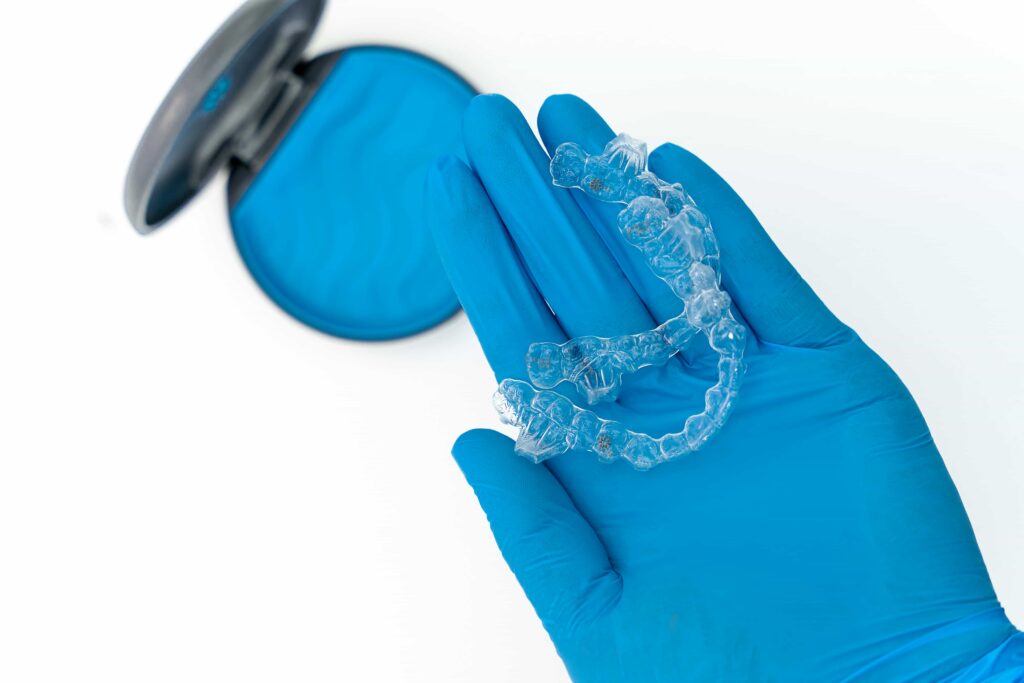
The straightforward answer is that Medi-Cal generally does not cover Invisalign. While Invisalign is an effective orthodontic treatment, it is typically viewed as a premium or cosmetic option. Denti-Cal’s guidelines require the use of the most cost-effective treatment that achieves the desired medical outcome. In almost all cases, traditional metal braces are considered the standard and most economical solution for correcting severe malocclusions.
Therefore, even if a patient qualifies for orthodontic coverage based on medical necessity, Medi-Cal will almost always approve funding for traditional braces rather than the more expensive Invisalign treatment.
This is true for both adults and children.
Factors Influencing Orthodontic Coverage
To receive any orthodontic coverage under Medi-Cal, several conditions must be met:
- Age: The member must typically be under 21 years old.
- Medical Necessity: The treatment must be deemed medically necessary to correct a handicapping malocclusion. This is determined using a specific set of measurements and criteria known as the Handicapping Labio-Lingual Deviations (HLD) index. Your orthodontist will perform an assessment to see if your score meets the minimum requirement for coverage.
- Prior Authorization: Your orthodontist must submit a detailed treatment plan and receive prior authorization from Denti-Cal before starting any work. Without this pre-approval, the services will not be covered.
Alternative Treatment Options Covered by Medi-Cal
If your condition qualifies for medically necessary orthodontic treatment under Denti-Cal, the approved treatment will most likely be traditional metal braces. These have a long-standing track record of effectively correcting even the most severe alignment issues and are the most cost-effective option for the program.
While they may not offer the same aesthetic appeal as Invisalign, modern braces are more comfortable and efficient than ever before. They remain the gold standard for orthodontic care and can achieve excellent, lasting results.
How to Check Your Specific Coverage
The best way to know for sure what your benefits will cover is to take the following steps:
- Schedule a Consultation: Book an appointment with an orthodontist who accepts Medi-Cal.
- Get an Assessment: The orthodontist will evaluate your teeth and determine if your condition meets the criteria for medical necessity under the HLD index.
- Submit for Prior Authorization: If you qualify, the orthodontist’s office will submit a request for prior authorization to Denti-Cal on your behalf.
- Receive a Decision: Denti-Cal will review the request and notify you and your orthodontist whether the treatment is approved. This letter will specify which services are covered.
Your Orthodontic Partner in Los Angeles & Woodland Hills
Finding an experienced orthodontist who understands the nuances of both advanced treatments and insurance plans is crucial. At Alpan Orthodontics, we are dedicated to “enhancing smiles for a lifetime.” Led by Dr. David Alpan, a Diamond Invisalign Provider with over 7,000 cases treated, our team has the expertise to guide you through your options.
While we explore all avenues for treatment, including Invisalign and traditional braces, it’s important to have a realistic understanding of insurance coverage. We offer in-house, no-interest financing to help make your dream smile affordable, regardless of what insurance covers. Our team can help you navigate the prior authorization process and discuss all potential payment solutions.
We encourage you to see what our patients are saying.
Visit our Google My Business profile to read our reviews:
Alpan Orthodontics
6325 CA-27 #424, Woodland Hills, CA 91367
(818) 210-3913
Frequently Asked Questions
Q: Does Denti-Cal cover Invisalign?
A: No, Denti-Cal typically does not cover Invisalign because it is considered a cosmetic or premium treatment. The program approves the most cost-effective solution, which is usually traditional braces, for medically necessary orthodontic care.
Q: How can I get my braces covered by Medi-Cal?
A: To get braces covered, you must be under 21 and have a “handicapping malocclusion” that meets the medical necessity criteria. An orthodontist must assess your condition and obtain prior authorization from Denti-Cal before treatment begins.
Q: Does Medi-Cal pay for any orthodontic treatment for adults?
A: Orthodontic coverage for adults through Medi-Cal is extremely rare. It is only considered in cases where it is part of a larger, medically necessary treatment plan, such as reconstructive surgery after an accident. Straightening teeth for cosmetic or minor functional reasons is not covered.
Start Your Journey to a Healthier Smile
While Medi-Cal is unlikely to cover Invisalign, it doesn’t mean a beautiful, straight smile is out of reach. The first step is to get a professional evaluation from a qualified orthodontist. They can assess your clinical needs, determine if you qualify for Medi-Cal-funded braces, and discuss alternative financing options to make your desired treatment a reality.
By understanding your options and working with an experienced team, you can find the right path to achieving a healthy, confident smile that lasts a lifetime.
If you have more questions or are ready for orthodontic treatment, give us a call or visit our orthodontic office in Woodland Hills today!