

The global clear aligner market has grown exponentially over the last few years. Millions of patients are now opting for transparent trays over traditional metal wires to achieve a straighter smile. This surge in popularity has created a massive influx of direct-to-consumer, mail-order aligner companies promising fast results at a fraction of the cost.
However, orthodontic treatment is a complex biological process, not a simple cosmetic product you can safely buy off a retail shelf. Moving teeth without professional supervision carries severe, irreversible risks. The American Association of Orthodontists (AAO) continually warns the public about the dangers of unsupervised dental care.
Mail-order aligners are not safe because they lack the necessary in-person examinations, comprehensive X-rays, and professional oversight. Without these critical diagnostic tools, moving teeth can cause permanent damage, including severe gum disease, irreversible bone loss, and tooth loss. Always choose a certified orthodontist for supervised, safe, and effective clear aligner treatment.
Dr. David Alpan, a leading Los Angeles orthodontist who has treated over 7,000 clear aligner cases, strongly cautions patients against these direct-to-consumer models. Through his Whole Health Comprehensive Orthodontics approach, Dr. Alpan sees firsthand the devastating consequences of skipped diagnostic steps and algorithm-only treatment plans.
This guide explores the hidden dangers of the DIY aligner trend and explains why professional oversight is mandatory for your safety.
Key Takeaways
- Clear aligner therapy is a medical procedure requiring an in-person examination and X-rays to rule out underlying dental diseases.
- Direct-to-consumer aligners often bypass crucial diagnostic safeguards, leading to a high risk of permanent dental damage.
- Proper tooth movement requires continuous, in-person monitoring to ensure teeth and roots are tracking safely.
- Professional Invisalign treatment provides doctor-led, customized adjustments that DIY companies cannot offer.
Why do people choose online aligners over professional care?
The appeal of mail-order aligners is easy to understand. These companies heavily market their products based on low upfront costs and the ultimate convenience of never having to leave your couch. Patients receive an impression kit in the mail, take a mold of their own teeth, and wait for a box of plastic trays to arrive.
This creates a dangerous “quick fix” fallacy. It tricks consumers into believing that orthodontics is purely a cosmetic transaction rather than a precise medical intervention. By focusing entirely on aesthetics, mail-order aligners ignore the foundational health of your teeth, roots, jawbone, and airway.
The most critical missing component is the initial, comprehensive in-person assessment. Before any ethical orthodontist moves a single tooth, they require digital X-rays and 3D scans. These tools reveal the unseen health of the jawbone and tooth roots. Attempting to force teeth into new positions without knowing if the underlying bone is healthy can easily lead to permanent tooth mobility or total tooth loss.
What does Dr. Alpan say about the risks of mail order aligners?
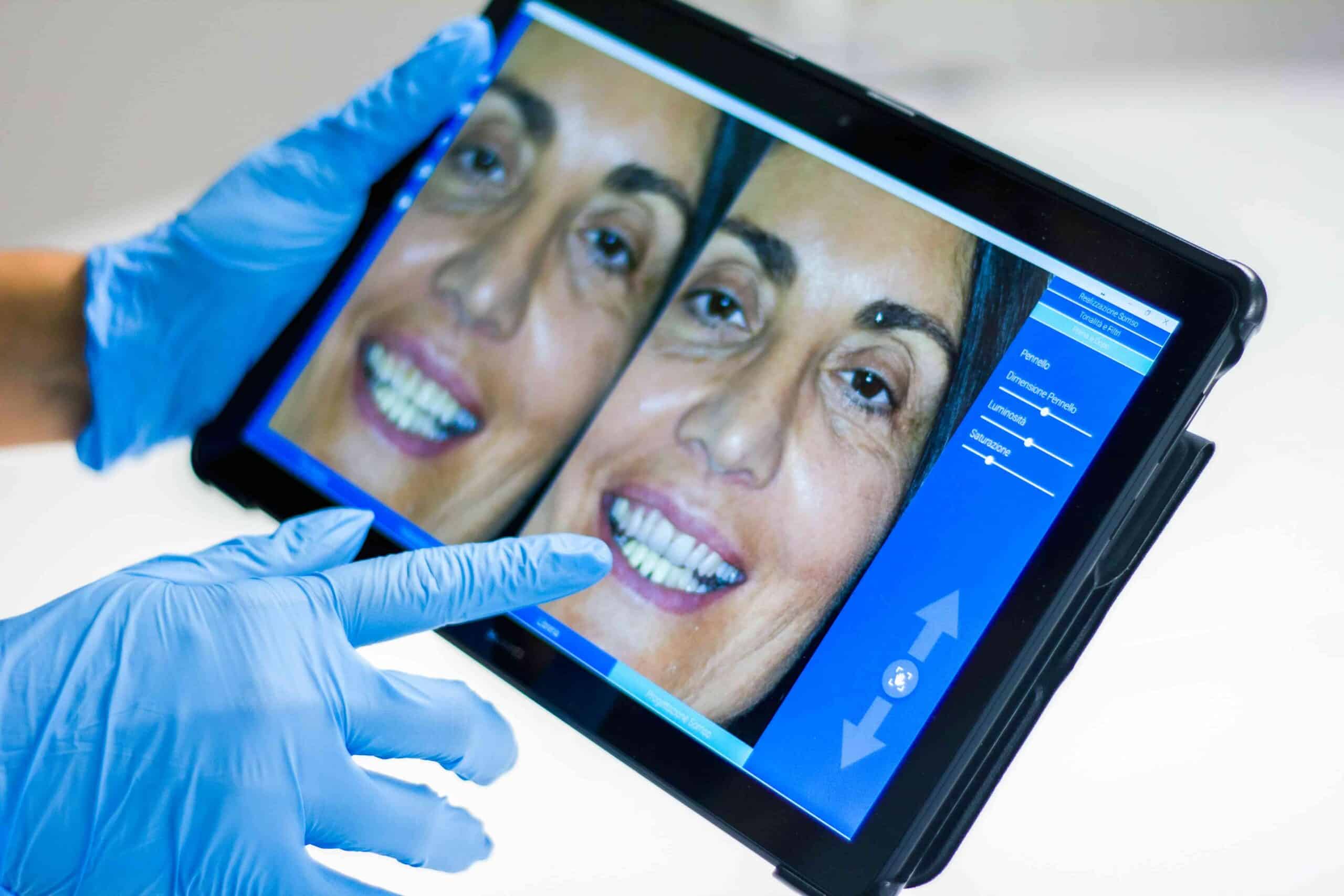
Dr. Alpan explicitly warns against taking shortcuts with your oral health. In a recent Meddkit interview regarding advanced orthodontic technology, he emphasized the importance of professional oversight. According to Dr. Alpan, “We have 3D digital based treatment plans where we can show the patient what their end result is going to look like before we ever start.” This level of precise, doctor-led planning is impossible with a DIY at-home impression kit.
Incorrect tooth movement can permanently damage your oral health. When consumers use quick fixes online, there is no orthodontist physically checking the tension applied to the periodontal ligament. If the aligner pushes a tooth too fast or in the wrong direction, the bone will not remodel correctly.
A doctor-led approach ensures accountability. If a bite becomes misaligned during professional treatment, the orthodontist intervenes immediately to correct the trajectory. With a mail-order company, patients are often left interacting with an automated customer service chatbot while their dental health rapidly deteriorates.
How does tooth movement actually work in orthodontics?
Moving teeth is a delicate biological process of bone remodeling. When an aligner applies continuous, gentle force to a tooth, cells called osteoclasts break down the bone in the direction the tooth is moving. Simultaneously, osteoblasts build new bone in the space left behind.
This biological mechanism requires an exact calculation of force. If too much pressure is applied, the blood supply to the tooth root can be cut off, causing the root to dissolve. This condition, known as root resorption, is irreversible.
Comprehensive diagnostics keep this process safe. Orthodontists use clinical guidelines to determine the appropriate speed of treatment and whether specific attachments are needed to grip the teeth. Unsupervised treatments rely on generic algorithms that cannot account for the unique biological responses of a live patient.
What is the difference between Invisalign vs DIY aligners?
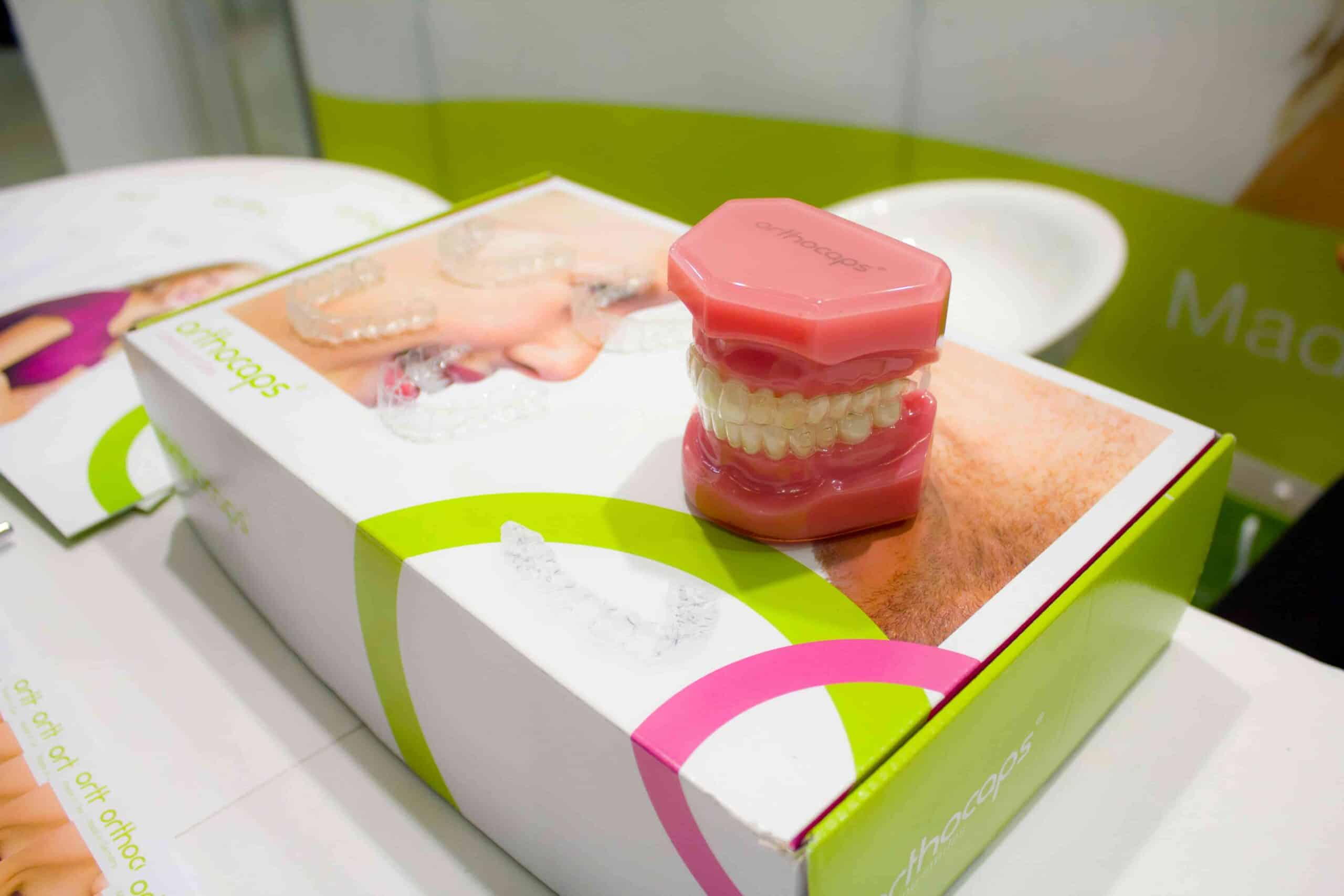
When comparing Invisalign vs DIY aligners, the most significant difference lies in who is actively managing your treatment. Invisalign is a highly advanced clear aligner system utilized by licensed dental professionals. DIY aligners are remote products lacking direct clinical supervision.
Invisalign provides a deeply personalized treatment plan. An orthodontist maps out the precise movement of every single tooth using advanced 3D imaging. They also factor in your bite alignment, airway health, and temporomandibular joint (TMJ) function. Mail-order aligners typically only address the cosmetic spacing of the front teeth, ignoring the complex mechanics of how your upper and lower jaws fit together.
Why are in-person adjustments a crucial safety measure?
Continuous monitoring is non-negotiable for safe orthodontics. During professional clear aligner treatment, patients visit their orthodontist periodically. These visits allow the doctor to confirm the aligners fit correctly and ensure the teeth are tracking according to the plan.
If a tooth is lagging behind, the orthodontist can perform mid-course corrections, ensuring the final bite is fully functional.
What are the long term health consequences of DIY aligners?
Choosing a cheap online alternative can result in medical bills that far exceed the cost of professional braces. When teeth are shifted without regard for the patient’s bite mechanics, the upper and lower teeth may no longer meet correctly.
This misalignment often triggers severe jaw pain and TMJ disorders. Patients may experience chronic headaches, muscle tension in the neck and shoulders, and difficulty chewing.
Furthermore, moving teeth in the presence of undetected periodontal disease accelerates bone loss. Because mail-order companies do not require prior clearance from a dentist regarding gum health, patients with mild gingivitis can rapidly develop advanced gum disease. This irreversible damage to the gums and bone is the leading cause of premature tooth loss among adults seeking unsupervised cosmetic dental corrections.
How do you choose the right path to a healthy smile?
Protecting your dental health requires partnering with a qualified specialist. An orthodontist completes years of additional residency training beyond dental school, focusing exclusively on the physics and biology of moving teeth.
Booking a comprehensive orthodontic exam is the first step toward a safe, successful outcome. During this exam, your doctor will evaluate your whole health, including your airway, TMJ, and bone density.
When you meet with an orthodontist, ask specific questions about their experience. Inquire about how many clear aligner cases they have treated and ask to see before-and-after photos of similar cases. Understanding your provider’s background ensures you are placing your permanent smile in capable hands.
Frequently asked questions about clear aligners
Before making a decision regarding your orthodontic care, it is important to understand the specific risks and benefits. Here are the most common questions patients ask about clear aligner safety.
Q: Are mail order aligners safe for minor teeth straightening?
A: The American Association of Orthodontists advises extreme caution regarding mail-order aligners, even for minor corrections. Because these services usually skip comprehensive X-rays and in-person exams, underlying issues like bone loss or root damage can easily go unnoticed, turning a minor cosmetic adjustment into a major dental emergency.
Q: Do I really need X-rays before getting clear aligners?
A: Yes. X-rays are a mandatory diagnostic tool because they allow the orthodontist to see the roots of your teeth and the health of your jawbone. Moving teeth without physically verifying that the bone is strong enough to support the movement is highly dangerous and can lead to permanent tooth loss.
Q: Can Invisalign fix severe bite problems better than DIY kits?
A: Yes. When managed by an experienced orthodontist, Invisalign can successfully resolve complex bite issues, crowding, and jaw misalignment. DIY aligners are generally only capable of correcting minor front-tooth spacing and do not have the technological capability to safely alter a patient’s overall bite mechanics.
Q: What should I do if my DIY aligners cause jaw pain?
A: If you experience jaw pain, clicking, or severe discomfort while using a mail-order aligner, you should stop wearing the trays immediately and schedule an emergency consultation with a certified orthodontist. Continuing to wear improperly fitted trays can cause irreversible damage to your temporomandibular joint (TMJ).
Final thoughts on protecting your smile
The convenience of a cheap mail-order kit should never take priority over your permanent physical health. The clinical guidelines established by the AAO exist to protect you from the catastrophic risks associated with unsupervised tooth movement.
By demanding a proper diagnosis, digital X-rays, and direct doctor supervision, you are investing in a smile that is both aesthetically pleasing and structurally sound for a lifetime.
If you are considering clear aligners, do not gamble with your oral health. Schedule a complimentary consultation with Dr. Alpan and the expert team at Alpan Orthodontics today to experience the safety and precision of professional, whole-health orthodontic care.