

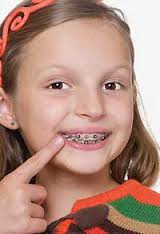
 Orthodontic work corrects irregularities in the teeth, and moves them into an optimal position. Once a procedure many considered only for adolescents and teenagers, many people that did not receive orthodontic work when they were younger opt for braces later in life. However, children are still among the top candidates for braces. Dr. David Alpan, your orthodontist in Century City, CA, will explain some of the options available for children’s braces.
Traditional Braces: A Classic
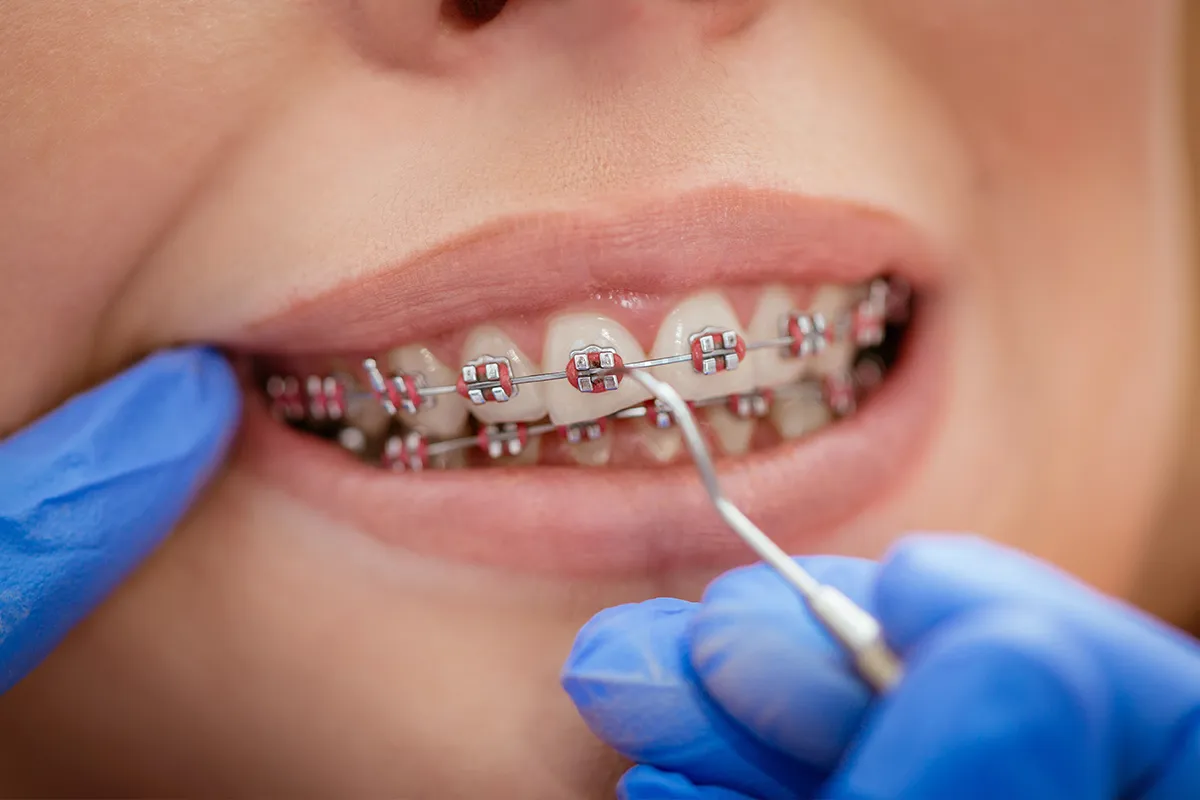
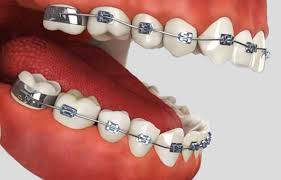
Traditional braces may not make people jump for joy, but they have a history of straightening and aligning smiles that cannot be argued. You have probably seen them so often on teenagers that you hardly notice a tin grin when you see one. Comprised of brackets and wires, braces are designed to exert constant gentle force on teeth, which will alter their position over time. The brackets on braces can be made of metal or ceramic material. Ceramic brackets blend in to the color of the child’s teeth to make them less visible, but the wire going through the brackets will still have a silver appearance. The average amount of time traditional braces are worn is two years.
 Simply put, orthodontics is the art of straightening crooked teeth, often through the use of braces. Many people are familiar with the concept of orthodontic treatment and the dramatic results that braces can provide. However, fewer people understand how the orthodontic appliances successfully move teeth, which are rooted in the jawbone, without damaging surrounding oral structures. Your