
A Close Eye on Mouth Germs Everybody’s smile relies on proper daily attention to remain clean and healthy. Your toothbrush and floss are essential to controlling the buildup of sticky dental plaque, which consists of over 600 different kinds of oral bacteria. Some of these germs pose serious, specific threats to your oral health, such … Read more
Malocclusion is a technical term that describes crooked teeth, and is the reason why many patients undergo orthodontic treatment. If one or more of your teeth aren’t aligned perfectly, than you may already realized the effect that misaligned teeth can have on the appearance of your smile. However, image isn’t all that crooked teeth affect. Century City orthodontist, Dr. Alpan, warns that the orientation of your teeth also influences how well your mouth works and how effective your hygiene routine is.
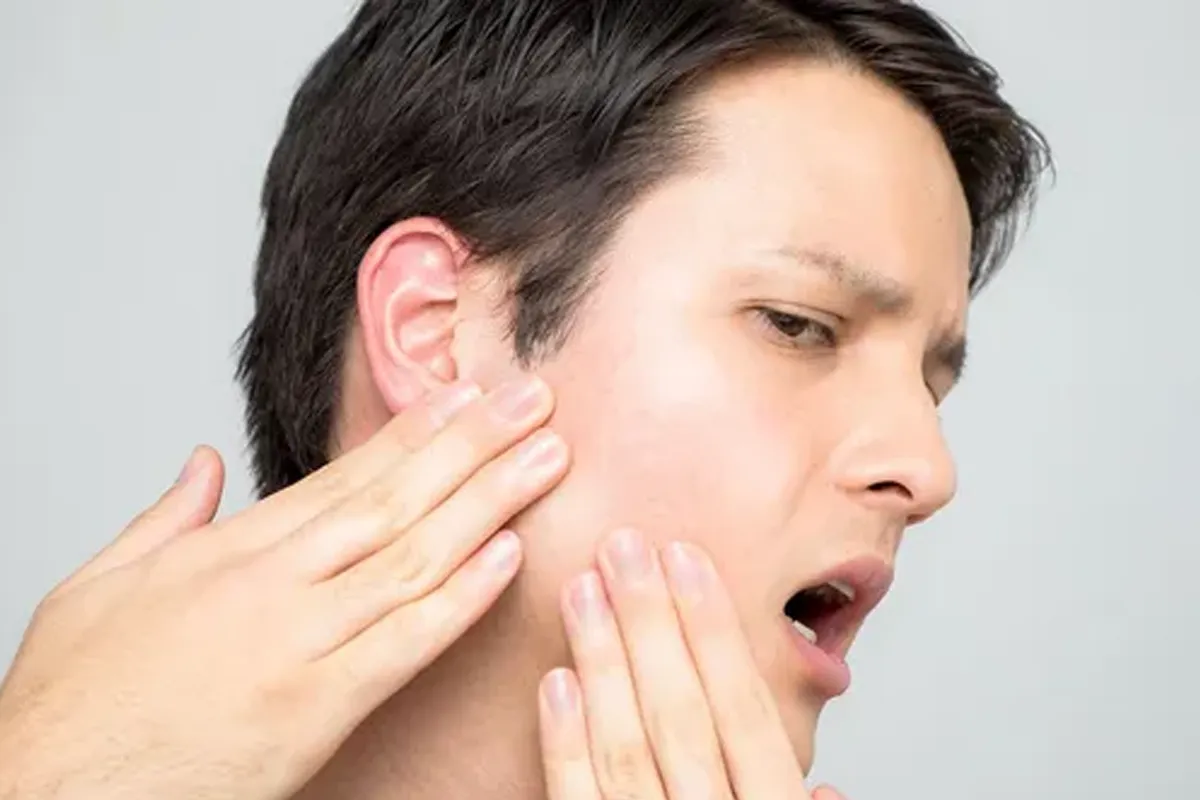
Your temporomandibular joints, or TMJs, are the small joints that connect the mandible (lower jaw) to the temporal bones in your skull, located just in front of each ear. The two joints work together to move the lower jaw as you bite, chew, yawn, speak, and swallow. When these joints are exposed to excessive pressure, they can become damaged, leading to a wide range of pains and sometimes difficulty moving the jaw. The jaw dysfunction encompasses a wide range of aches and pains, and diagnosis may be difficult because of the diversity of TMJ disorder’s symptoms. Luckily, your Century City orthodontist, Dr. David Alpan, is highly-skilled and specially-trained to diagnosis and treat TMJ disorder, and has helped many patients find relief from the condition.
Straightening crooked teeth can have a profoundly positive impact on your oral health, as well as your confidence. Unfortunately, while highly effective, wearing orthodontic braces also affects your daily routines, like eating and brushing your teeth. By making dental hygiene slightly more difficult, braces can increase a patient’s risk of developing dental issues that result from excessive dental plaque, including tooth decay (the disease that causes cavities). Luckily, however, cavities are still highly preventable even with metal brackets and wires attached to your teeth. To help keep our patients’ mouths and braces clean and clear of cavities, Los Angeles orthodontist, Dr. David Alpan, takes the time to educate each patient about proper oral hygiene, and provides special instruments designed to effectively clean around braces.
Aesthetics is an important concern in any dental treatment, but when it comes to orthodontics (straightening crooked teeth), the conspicuousness of braces can cause some patients to neglect treatment altogether. Unfortunately, crooked teeth are more than a cosmetic concern. When teeth are misaligned, your bite may not function properly, and excessive, uneven pressure can lead to damaged teeth and/or damaged or misaligned jaw joints (TMJs). To address our patients’ cosmetic concerns as well as improve the look and function of their misaligned bites, Dr. David Alpan offers a wide range of discreet orthodontic treatments, such as Invisalign clear aligners and innovative lingual braces. While Invisalign comprises clear aligners instead of brackets and wires, your Los Angeles orthodontist also provides lingual braces that are placed behind your teeth, completely concealing your orthodontic treatment.
As an orthodontist, Dr. David Alpan specializes in helping patients obtain straighter, more beautiful, and more functional smiles by correcting teeth misalignment. For many patients, mainly adults, wearing metal brackets and wires isn’t an ideal option, especially if the goal is to increase the patient’s confidence in his smile. To address the dual concerns of crooked teeth and the prospect of wearing braces, your Century City orthodontistoften recommends Invisalign clear braces. The innovative orthodontic appliances can straighten your teeth with amazing results, and without the need for conspicuous metal components.
Occlusion describes the manner in which your teeth fit together. When your jaw is closed, your upper front teeth should protrude ever so slightly in front of your lower front teeth. The chewing surfaces of your teeth should also align comfortably with the chewing surfaces of their opposites. This balance helps your jaw move smoothly along its joints, and allows teeth to evenly disperse the pressure of your bite to minimize impact and avoid damage. When teeth aren’t aligned properly, a condition known as malocclusion, a patient’s bite is imbalanced, and teeth can become excessively worn from exposure to undue pressure. The jaw’s joints can also become damaged, leading to debilitating discomfort in the form of TMJ disorder. Whether you are suffering from malocclusion, need surgical orthodontics, or braces, then Los Angeles orthodontist, Dr. David Alpan, can personally design an appropriate course of treatment to correct your crooked teeth and preserve your smile’s beauty and function.

For many people, the thought of braces might immediately conjure images of children with metal brackets and wires on their teeth. The natural connotation between children and braces may, in part, be due to the fact that orthodontic treatment is often prescribed in a child’s early years. Problems with a child’s occlusion (the way teeth fit together) and bite balance can become exponentially worse as the jawbone and teeth continue to grow. With a wide variety of options and designs for children’s braces, Century City orthodontist, Dr. David Alpan, can help straighten your child’s teeth early, preventing potentially serious orthodontic issues that might require invasive procedures to correct as an adult.

With today’s impressive array of technological and dental advancements, there are few oral health issues that cannot be effectively corrected with the appropriate treatment. Nevertheless, given the extent of damage that unchecked dental diseases can cause, prevention remains the most effective method for preserving your smile, especially since teeth can’t repair themselves when compromised. Practicing good hygiene at home is the cornerstone of excellent dental health, but without regular professional care and maintenance, your toothbrush and floss may fall short of protecting your smile from dental diseases. Patients with misaligned teeth, or who wear braces to correct malocclusion, are especially at risk for dental issues, which stem from plaque that can hide between braces and the odd crevices created by crooked teeth. As Century City orthodontist, Dr. David Alpan, warns his patients, good hygiene while wearing braces is a vital part of successful orthodontic treatment.
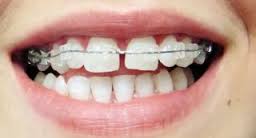
It is never too late to perfect your smile, and straight teeth can improve an adult’s social and professional life. Still, many adults are apprehensive when making a decision to undergo an orthodontic procedure. Because of this, Dr. David Alpan seeks to address your concerns and questions regarding braces.
Aren’t I too old for braces?
People of all ages rely on orthodontic treatment to help them achieve the straight, beautiful smile they’ve always wanted. Properly aligned teeth increase confidence, but braces help patients attain more than an aesthetically pleasing smile. Crooked teeth can have adverse effects to the way you chew and talk. The effects worsen over time, and crooked teeth can contribute to periodontal disease and premature wear of tooth enamel. Many adults choose braces to straighten their teeth. In fact, one-third of our patients are adults.
Orthodontic work corrects irregularities in the teeth, and moves them into an optimal position. Once a procedure many considered only for adolescents and teenagers, many people that did not receive orthodontic work when they were younger opt for braces later in life. However, children are still among the top candidates for braces. Dr. David Alpan, your orthodontist in Century City, CA, will explain some of the options available for children’s braces.

Traditional Braces: A Classic
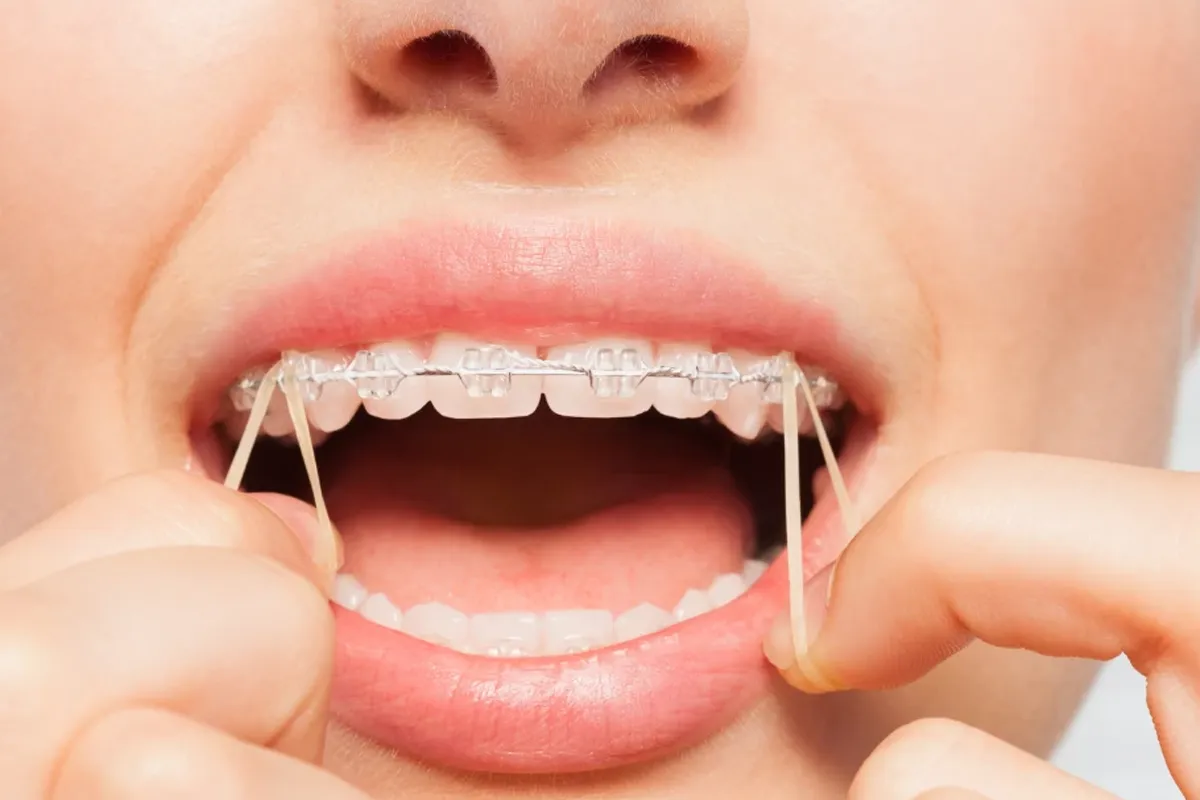
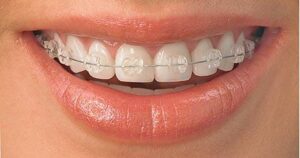
Traditional braces may not make people jump for joy, but they have a history of straightening and aligning smiles that cannot be argued. You have probably seen them so often on teenagers that you hardly notice a tin grin when you see one. Comprised of brackets and wires, braces are designed to exert constant gentle force on teeth, which will alter their position over time. The brackets on braces can be made of metal or ceramic material. Ceramic brackets blend in to the color of the child’s teeth to make them less visible, but the wire going through the brackets will still have a silver appearance. The average amount of time traditional braces are worn is two years.
Most crooked teeth are inherently visible when patients smile, their unevenness disturbing what should be a perfectly balanced arrangement of teeth. However, not all of the effects of malocclusion (crooked teeth) involve visual appearance. When left untreated, a disproportionate bite can prove devastating by forcing the components of a patient’s mouth to absorb more pressure than they were designed to withstand. Often, it can lead to debilitating discomfort in the form of TMJ disorder, which describes damaged, inflamed, and/or misaligned jaw joints. As a dedicated orthodontist in Los Angeles, Dr. David Alpan has helped many patients find TMJ relief by correcting malocclusion, and by educating patients about the jaw dysfunction.
What does TMJ stand for?
TMJs are the temporomandibular joints that connect the lower jaw, or mandible, to the temporal bones in the skull. Located in front of each ear, TMJs move in tandem as the jaw opens and closes, and rely on proper balance to repeatedly absorb bite pressure without sustaining damage.