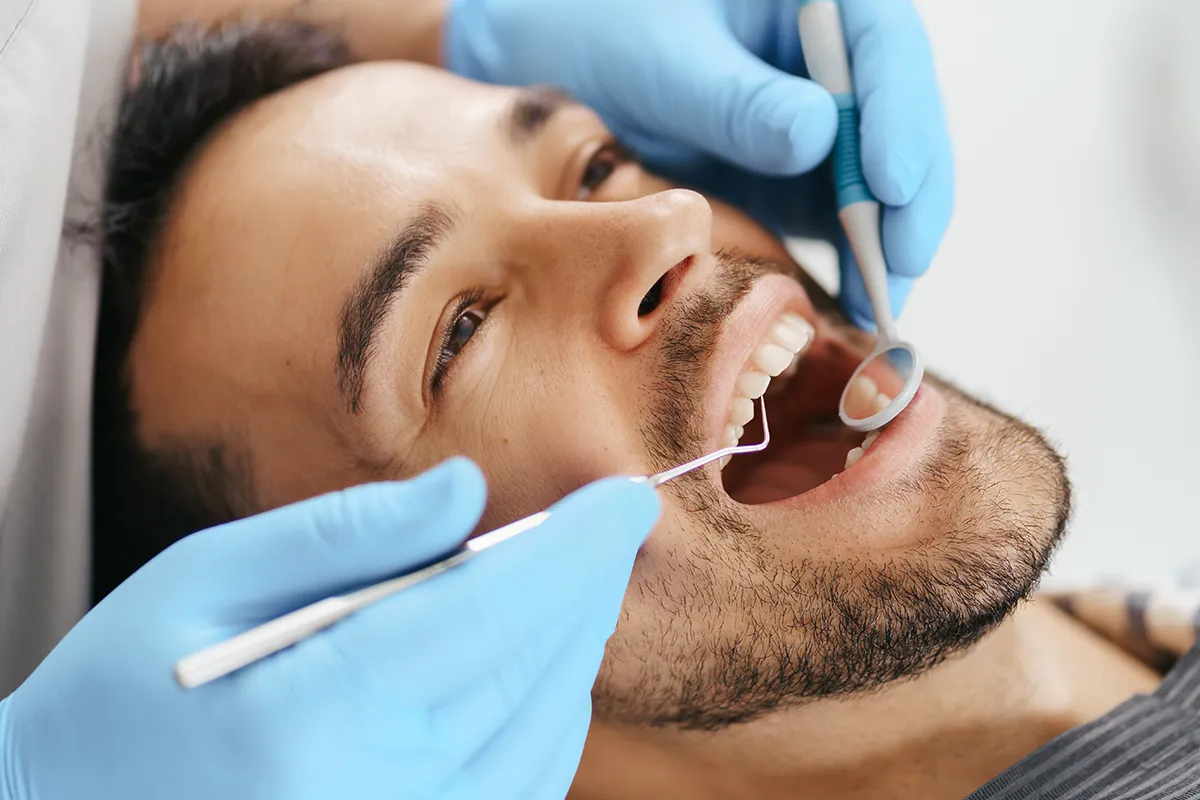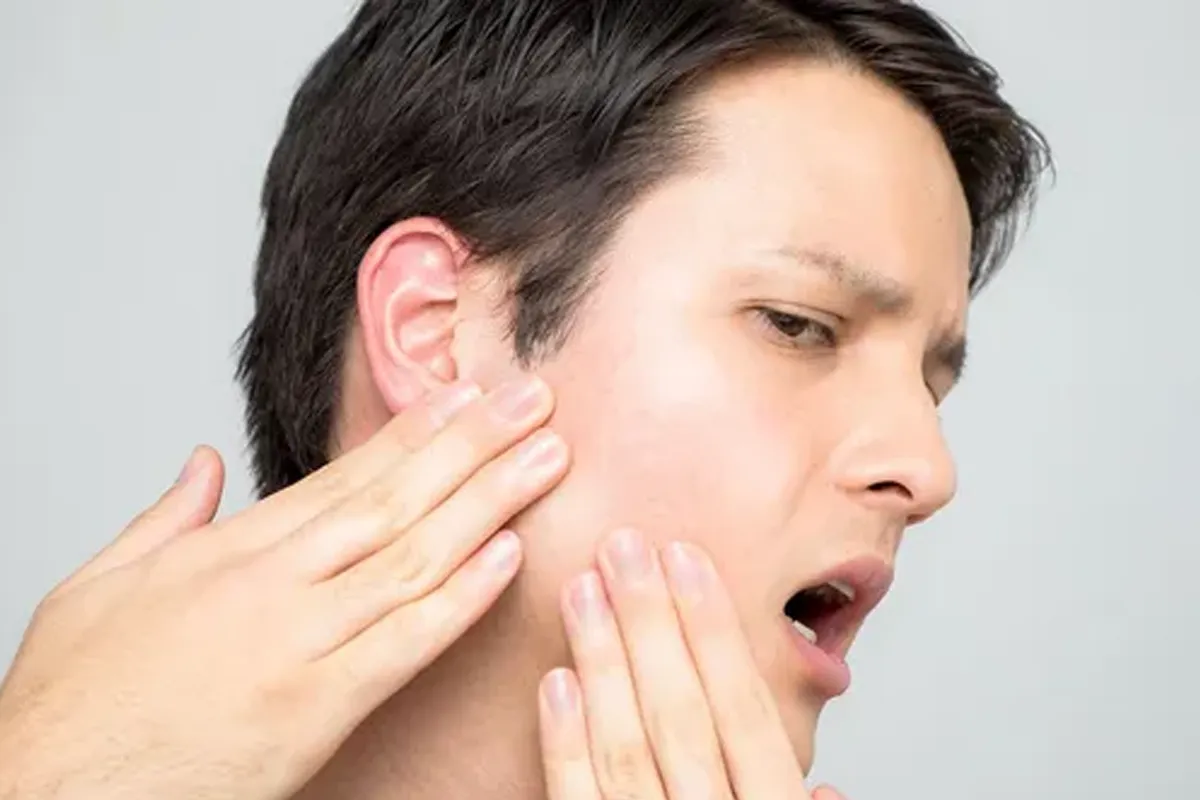
 Your temporomandibular joints, or TMJs, are the small joints that connect the mandible (lower jaw) to the temporal bones in your skull, located just in front of each ear. The two joints work together to move the lower jaw as you bite, chew, yawn, speak, and swallow. When these joints are exposed to excessive pressure, they can become damaged, leading to a wide range of pains and sometimes difficulty moving the jaw. The jaw dysfunction encompasses a wide range of aches and pains, and diagnosis may be difficult because of the diversity of TMJ disorder’s symptoms. Luckily, your Century City orthodontist, Dr. David Alpan, is highly-skilled and specially-trained to diagnosis and treat TMJ disorder, and has helped many patients find relief from the condition.

 Most crooked teeth are inherently visible when patients smile, their unevenness disturbing what should be a perfectly balanced arrangement of teeth. However, not all of the effects of malocclusion (crooked teeth) involve visual appearance. When left untreated, a disproportionate bite can prove devastating by forcing the components of a patient’s mouth to absorb more pressure than they were designed to withstand. Often, it can lead to debilitating discomfort in the form of TMJ disorder, which describes damaged, inflamed, and/or misaligned jaw joints. As a dedicated



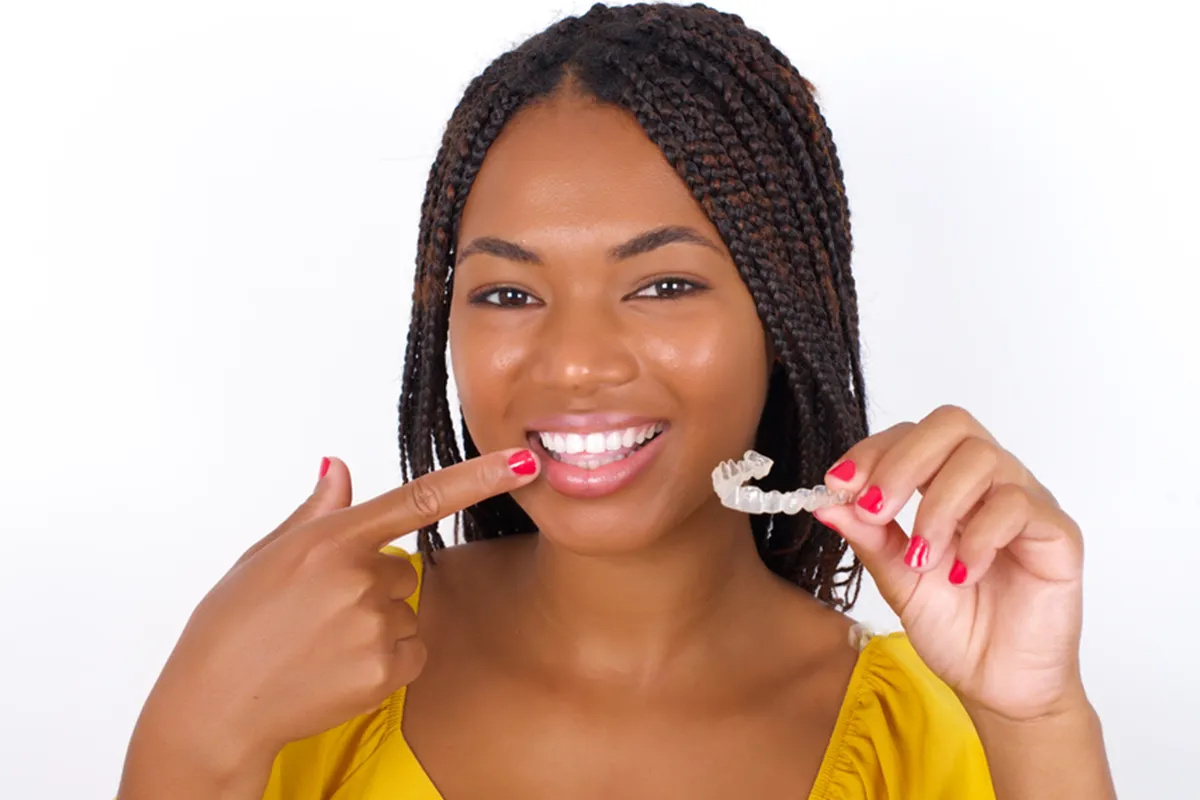
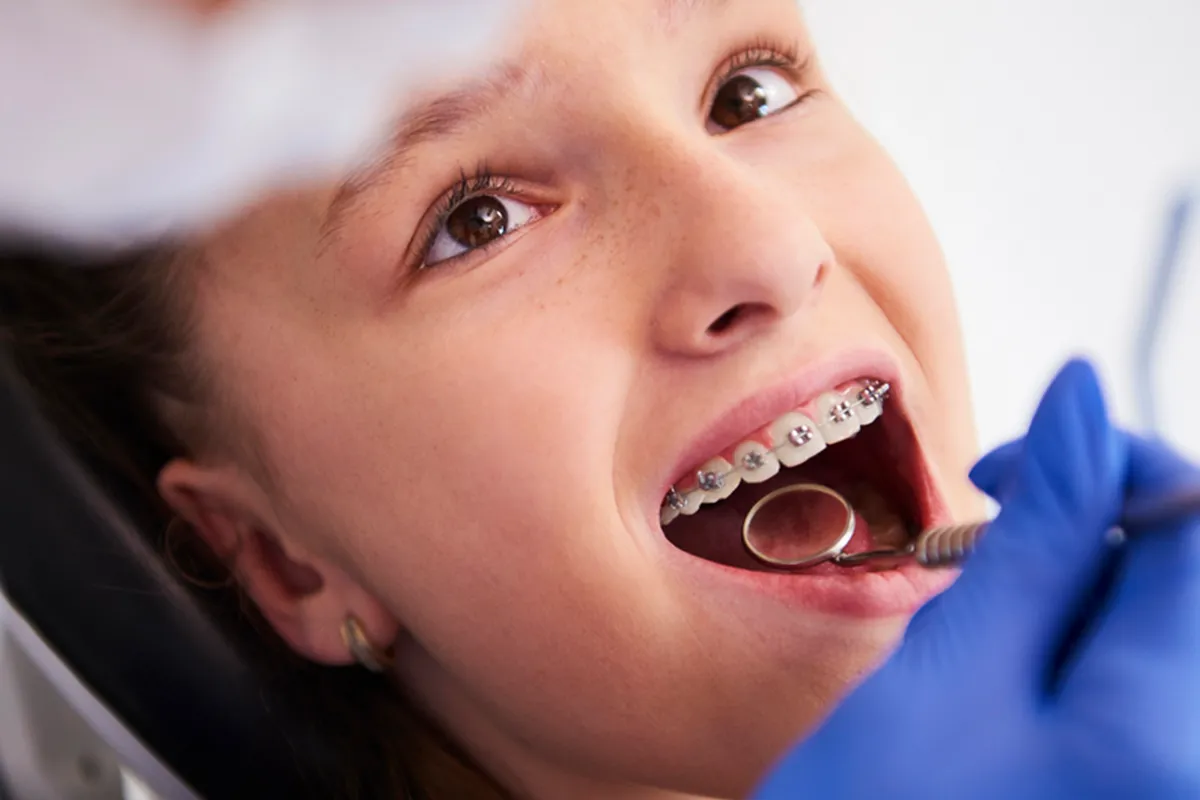
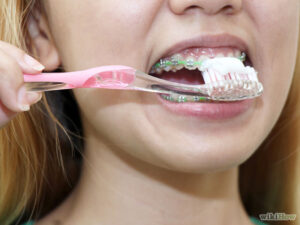 Dental plaque is always a threat, but when you wear braces, controlling the nuisance takes on a new importance. As the source of most dental health issues, plaque is created by masses of bacteria that, while native to your oral cavity, can pose a serious threat when allowed to grow out of control. Typically, a few moments spent brushing and flossing your teeth at least twice a day is your main defense against plaque. However, if you’re undergoing orthodontic treatment, then you must take special care to clean bacterial plaque from between the brackets, wires, and your teeth. Today, your